
No products in the cart.


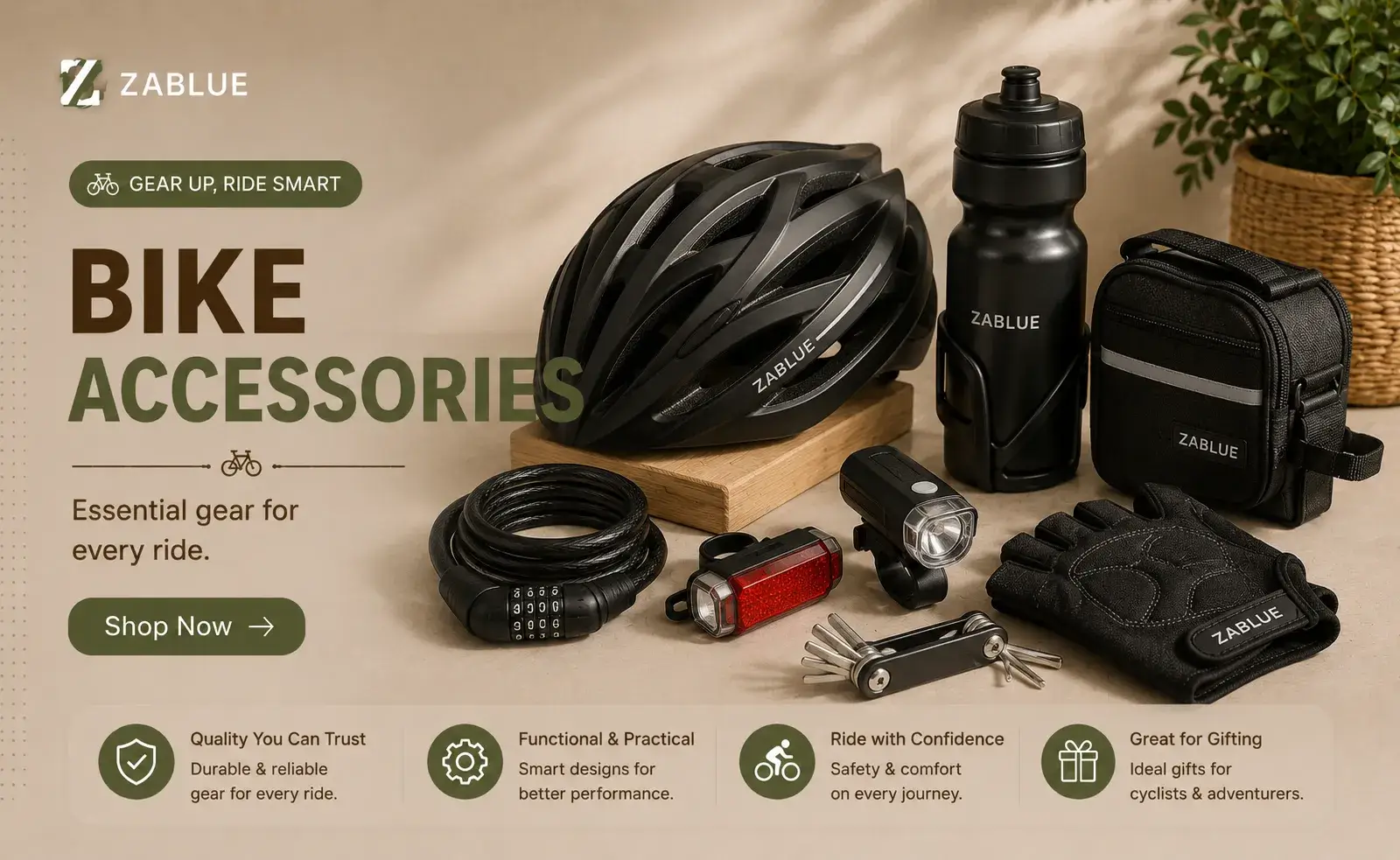
You don’t need a full workshop to keep a bike running well. Most of the bike maintenance essentials that actually matter — tyre pressure, chain condition, brake performance — take minutes to check and don’t require specialist tools or experience.
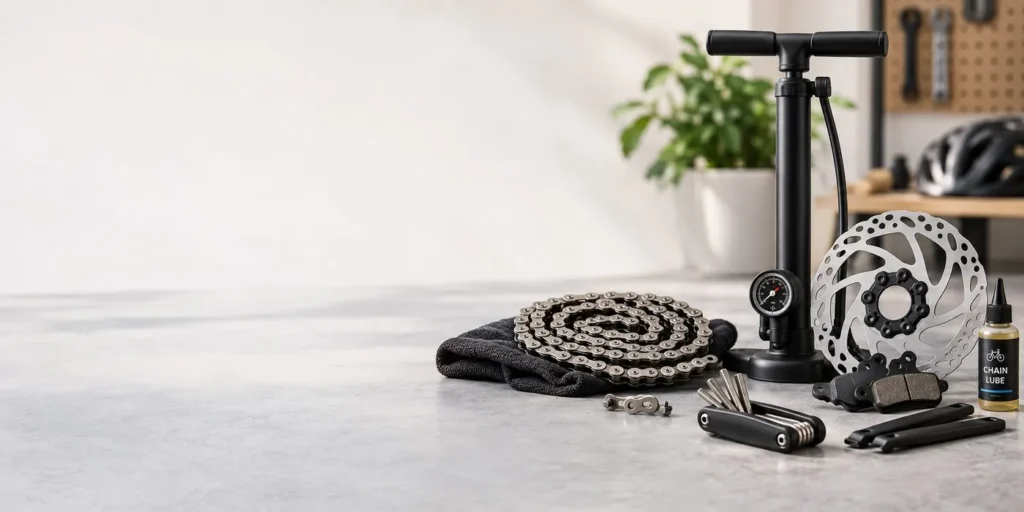
Check Tyre Pressure More Often Than You Think
Under-inflated tyres are one of the most common, most overlooked maintenance issues — they increase rolling resistance (making every ride harder than it needs to be) and increase the risk of pinch flats. A compact rechargeable pump with a built-in gauge makes this a genuinely quick pre-ride check rather than a chore requiring a separate gauge and a trip to a petrol station.
How often: Once a week for regular riders, or before any ride if the bike’s been sitting unused for a while.
Chain Condition Affects Everything Else
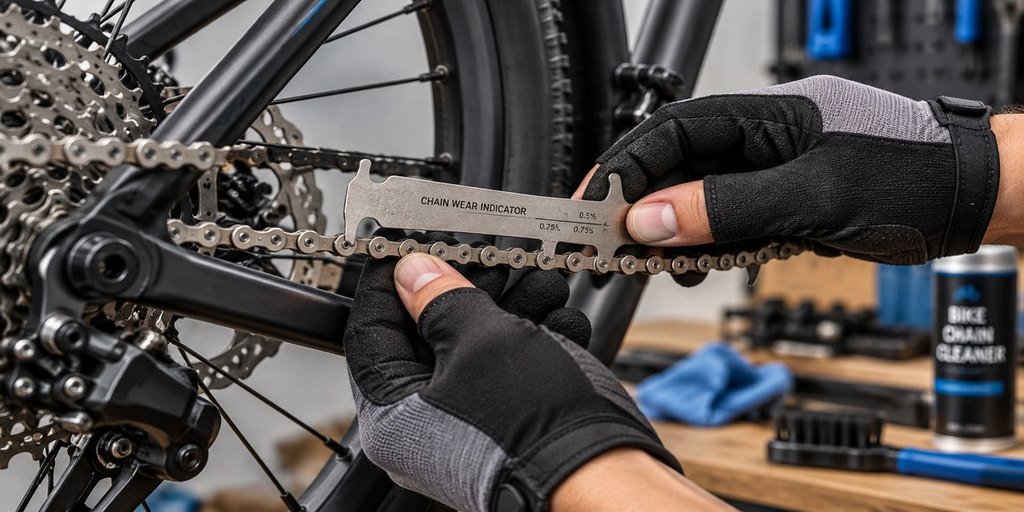
A dry, dirty, or stretched chain doesn’t just wear out faster — it makes shifting less precise and puts extra strain on your cassette and derailleur. A quality replacement chain with a quick-link makes swapping a worn one straightforward, without needing a bike shop visit.
Signs it’s time to check: Noisy shifting, visible rust or dryness, or if you can’t remember the last time it was lubricated.
Brakes Deserve Regular Attention, Not Just Reaction
Hydraulic disc brakes are more reliable than rim brakes in wet conditions, but they still need occasional attention — checking pad wear and making sure levers feel firm rather than spongy. A spongy lever feel is usually the first sign something needs looking at, well before brakes actually fail to stop you in time.
A Simple Maintenance Rhythm
- Every ride: Quick visual check, tyre pressure if it’s been a few days
- Monthly: Chain lubrication, brake lever feel check
- As needed: Chain replacement when stretch or wear is visible, brake pad replacement when worn
This rhythm catches most issues before they become bigger, more expensive problems.
Frequently Asked Questions
How do I know if my bike chain needs replacing, not just cleaning? A chain checking tool (or a simple ruler measurement) shows stretch — cleaning and lubrication won’t fix a chain that’s genuinely stretched, and continuing to ride on one accelerates wear on your cassette and chainrings too.
Is it safe to do brake maintenance myself, or should I see a bike shop? Checking lever feel and visible pad wear is safe and easy to do yourself. Bleeding hydraulic lines or replacing pads is more involved — doable with the right tools and a guide, but a bike shop is a reasonable option if you’re not confident.
How often should tyres actually be pumped up? Most tyres lose some pressure naturally within a week even without a puncture, so a weekly check is a sensible habit for regular riders, more often in colder weather when pressure drops faster.
What’s the most commonly neglected maintenance task? Chain lubrication, by a wide margin — it’s the easiest to forget because a dry chain doesn’t fail immediately, it just wears everything around it faster over time.
Browse our full range of bike accessories — pumps, chains, brakes, and more.